How Asbestos Testing Works: Step-by-Step

Asbestos was once a go-to material in building products for its durability, fire resistance, and insulation properties. Unfortunately, we now know it poses serious health risks when its fibers become airborne and inhaled. For homeowners and property managers in Colorado Springs, where many homes were built before asbestos regulations, testing is the safest way to know if your property contains this hazardous material.

If you’re unsure how asbestos testing is done, here’s a step-by-step guide to help you understand the process and what to expect.

Why Asbestos Testing Is Important for Colorado Springs Homeowners & Property Managers

Colorado Springs has a wide variety of home styles, from historic houses to mid-century builds. Homes constructed before the 1980s are most likely to contain asbestos in materials such as:

  • Insulation around pipes and boilers
  • Popcorn ceilings and textured wall finishes
  • Vinyl floor tiles and adhesives
  • Roofing shingles and siding
  • Drywall joint compounds

While asbestos isn’t dangerous if left undisturbed, any renovation, repair, or demolition work can release harmful fibers into the air. Professional testing before starting a project is essential for safety.

Step-by-Step: How Asbestos Testing Works

Step 1: Initial Consultation and Inspection - A certified asbestos inspector begins with a walkthrough of your property. They’ll identify areas and materials likely to contain asbestos based on the home’s age, condition, and renovation history.

Step 2: Identifying Potential Asbestos-Containing Materials -The inspector examines suspect materials, such as old insulation, ceiling textures, or vinyl flooring. They make note of damaged or deteriorating areas where fibers could be released.

Step 3: Safe Sample Collection - If testing is warranted, the inspector collects small material samples using strict safety measures:

  • Wearing protective gear such as respirators and disposable coveralls
  • Wetting materials to keep fibers from becoming airborne
  • Carefully sealing samples in labeled containers

Step 4: Laboratory Analysis - Samples are sent to an accredited laboratory for analysis, typically using polarized light microscopy (PLM) or transmission electron microscopy (TEM) to detect and identify asbestos fibers.

Step 5: Reviewing Results and Next Steps - Once the results are ready, the inspector explains whether asbestos is present, its type, and its concentration. They’ll also recommend whether it should be removed, encapsulated, or left undisturbed.

When Should You Test for Asbestos in a Home?

Asbestos testing isn’t something you need on a routine basis, but there are specific times when it’s strongly recommended:

  • Before Renovations or Remodeling - Cutting, sanding, or tearing down materials could release asbestos fibers.
  • Before Buying an Older Home - Testing can help you understand potential future risks and costs.
  • After Discovering Damaged Building Materials - Crumbling insulation or cracked floor tiles could be releasing fibers.
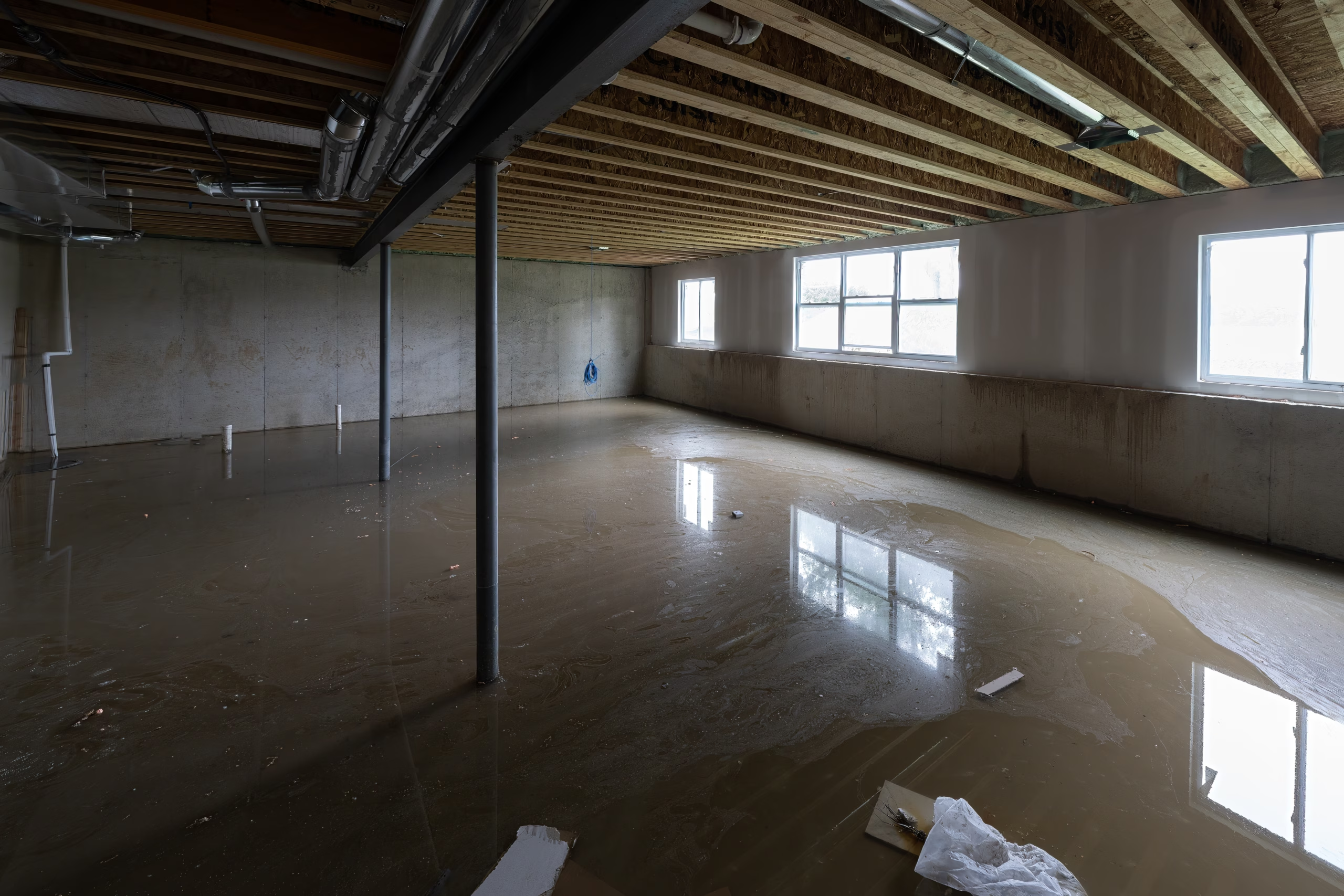
  • Following a Natural Disaster - Floods, fires, and severe storms can disturb asbestos-containing materials.
What to Do If Asbestos Is Found in Your Property

If asbestos is detected, don’t panic. It’s a common finding in older homes, and there are safe ways to manage it. Your options may include:

  • Encapsulation - Sealing the material so fibers can’t escape.
  • Enclosure - Building a barrier around the asbestos-containing material.
  • Professional Removal (Abatement) - Safely removing and disposing of asbestos under strict guidelines.

Never attempt to remove asbestos yourself. Improper handling increases the risk of exposure and contamination. Always hire a licensed asbestos abatement contractor.

Health Risks of Ignoring Asbestos

Asbestos fibers are microscopic and can remain airborne for hours after being disturbed. Once inhaled, they can lodge in lung tissue, leading to serious conditions such as:

Because symptoms can take decades to appear, prevention through testing and professional handling is critical.

Trusting Professional Asbestos Testing in Colorado Springs

Testing for asbestos requires specialized skills, safety equipment, and laboratory support. For accurate results and proper handling, you should always work with a certified professional.

That’s where FYXON comes in. As a leading provider of asbestos testing services in Colorado Springs, CO, FYXON uses industry-approved testing procedures and accredited laboratories to deliver precise results. Whether you’re renovating, buying an older home, or dealing with damaged materials, FYXON ensures your asbestos concerns are handled safely and effectively so you can protect your property and your health.

We’re there faster than the disaster...
24/7 Restoration Services
At FYXON, we blend modern methods with traditional restoration techniques, ensuring top-notch results with unwavering accountability. Whether you’re managing a home, a business, a commercial property, or a construction site, we cater to spaces of all sizes. From efficient water extraction to comprehensive construction services, we’re committed to your satisfaction, no matter the scale of your needs.
24/7 Emergency Services
Copyright © 2026 Fyxon LLC. All Rights Reserved.
24/7 Emergency Service
magnifiercrosschevron-right