Professional environmental testing covers a variety of assessments to detect possible hazards in and around your home. While the specific tests you need will depend on your situation, here are some of the most common for Colorado homeowners:
1. Radon Testing
Radon is a naturally occurring radioactive gas that seeps into homes from the soil. Colorado has some of the highest radon levels in the country, and prolonged exposure increases the risk of lung cancer. Testing measures the concentration of radon in your home so you can take corrective action if needed.
2. Mold Testing
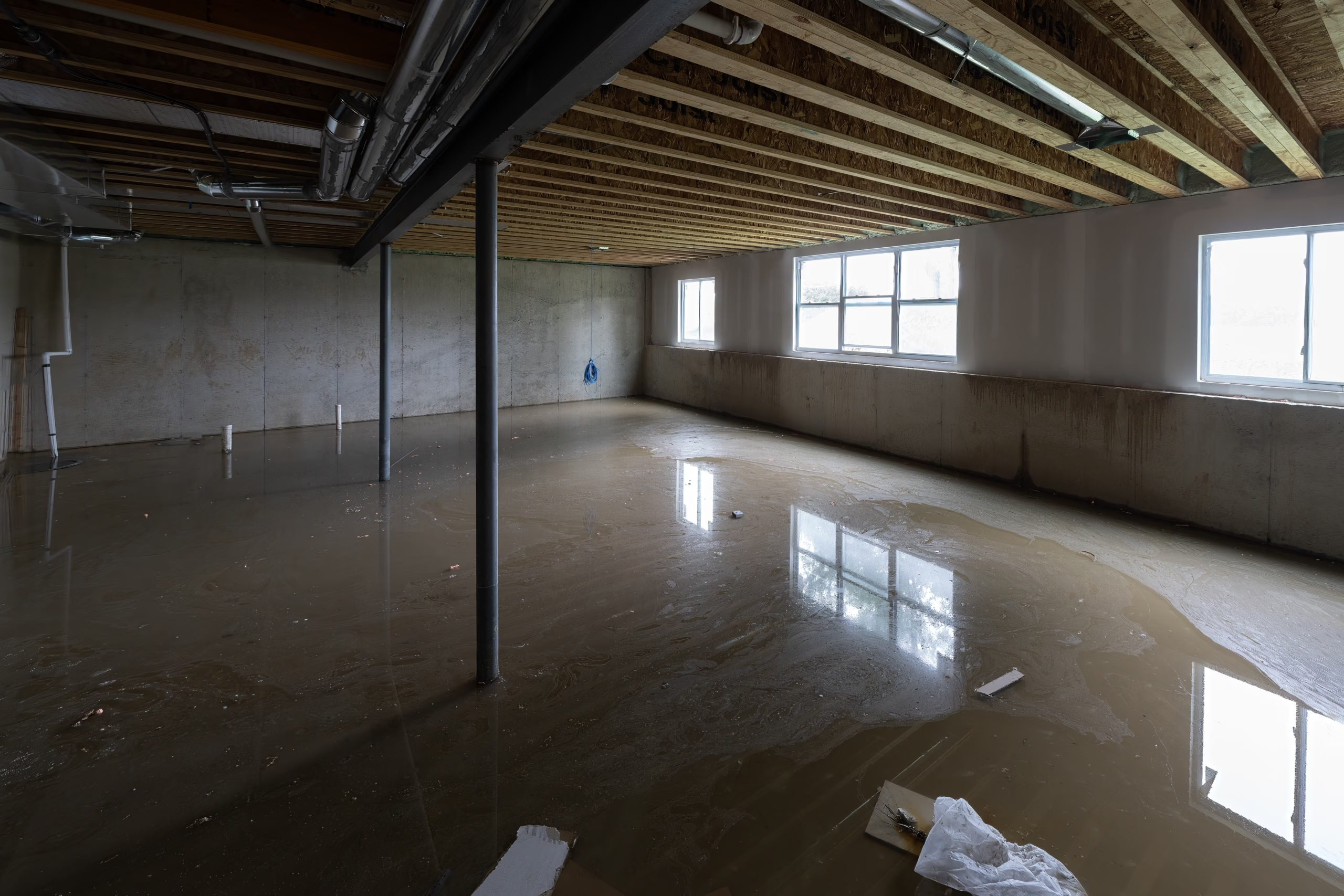
Mold thrives in damp or poorly ventilated areas, and even in our dry climate, it can grow after plumbing leaks, flooding, or roof damage. Testing identifies the type and extent of mold present, helping guide safe remediation efforts.
3. Asbestos Testing
Many homes built before the 1980s may contain asbestos in insulation, flooring, or ceiling materials. Disturbing asbestos during renovations can release harmful fibers into the air. Testing confirms whether materials contain asbestos so proper safety measures can be taken.
4. Lead Paint Testing
Lead-based paint, common in homes built before 1978, poses serious health risks, especially to children. Testing detects lead in paint, dust, or soil so hazards can be addressed.
5. Indoor Air Quality Testing
This evaluates the presence of pollutants like volatile organic compounds (VOCs), allergens, and particulate matter. It’s particularly important for households with asthma, allergies, or other respiratory concerns.
6. Water Quality Testing
Water testing checks for contaminants such as bacteria, heavy metals, and chemical residues. Even if you’re connected to a municipal water supply, plumbing systems can introduce contaminants into your drinking water.