1. Entering the Home Too Soon
It’s natural to want to check on your belongings immediately, but fire-damaged homes can be structurally unstable and filled with dangerous toxins. Wait until the fire department confirms it’s safe to enter, and even then, use proper protective gear.
2. Failing to Contact Your Insurance Company Right Away
Your insurance provider should be one of your first calls after a fire. Delays in reporting the damage can slow down the claims process and may even jeopardize coverage. Provide photos, videos, and a detailed account of the damage as soon as possible.
3. Trying to Clean Smoke & Soot Yourself
Smoke and soot particles can penetrate deeply into walls, furniture, and fabrics. Without professional equipment and cleaning solutions, DIY attempts can actually make the problem worse by spreading residue and locking in odors.
4. Ignoring Water Damage from Firefighting Efforts
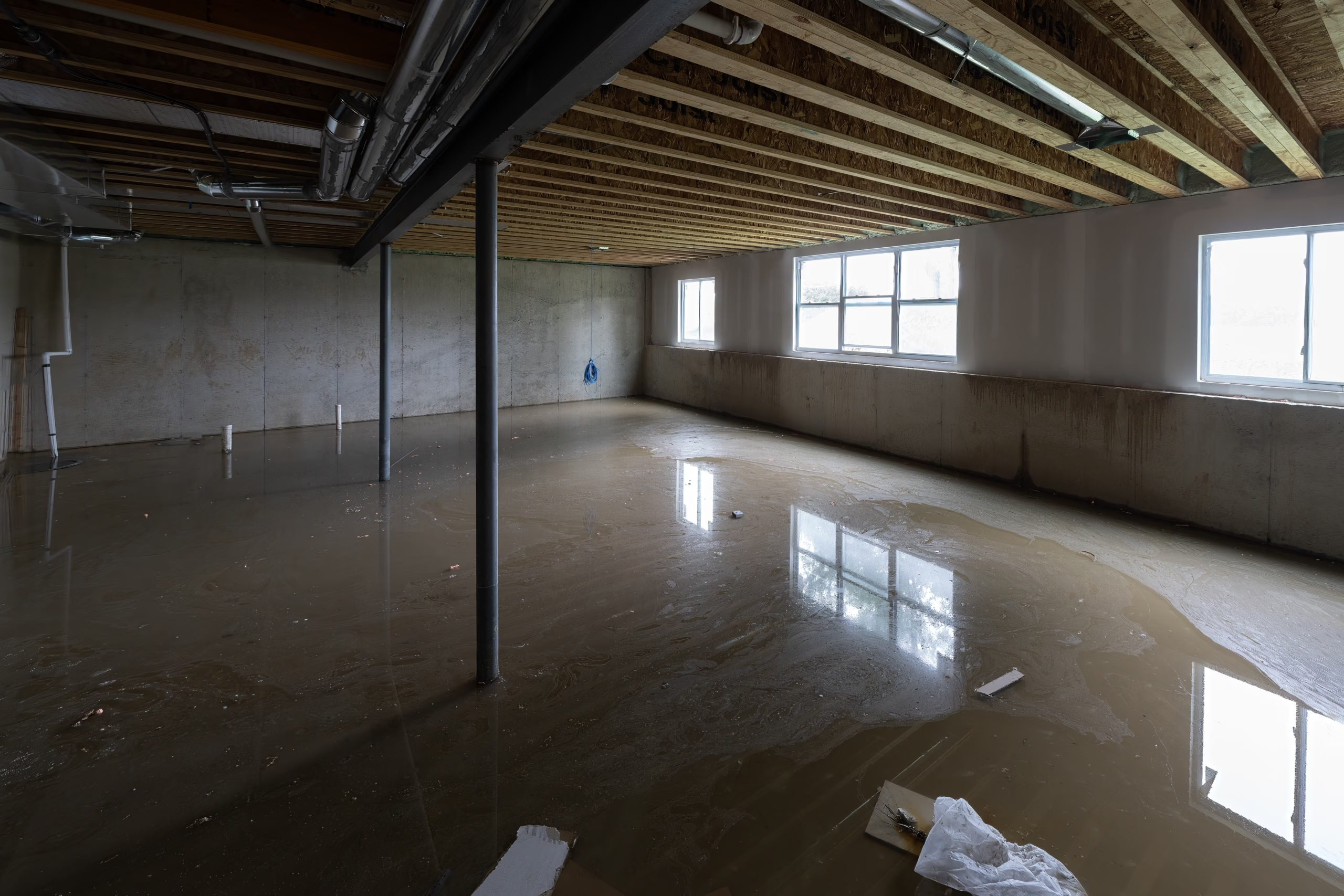
In many cases, water damage from hoses can be just as destructive as the fire itself. Moisture can lead to mold growth within 24 to 48 hours, so prompt drying and dehumidification are critical.
5. Not Documenting the Damage Thoroughly
Before cleanup or removal of items begins, take clear, detailed photos of every affected area and belonging. This documentation is essential for insurance claims and for keeping track of what needs to be repaired or replaced.
6. Forgetting About Hidden Damage
Fires can cause damage that isn’t immediately visible, such as compromised wiring, weakened structural elements, or hidden water damage. Professional inspections are essential to identify these issues before they cause future problems.
7. Waiting Too Long to Start Restoration
Time is your enemy after a fire. Soot and smoke damage become harder to remove the longer they sit, and water damage can lead to structural weakening and mold growth. Engaging a restoration company quickly helps prevent further deterioration.