A Guide to Mold Removal in Colorado Springs

Mold is a common problem for homeowners, landlords, and property managers in Colorado Springs, especially given the region’s seasonal humidity, snow, and occasional water damage. While small patches of mold may seem harmless, they can quickly spread, compromising a home’s structural integrity and affecting indoor air quality. Understanding how to identify, test, and remove mold is crucial for maintaining a safe and healthy living space.

Common Places Mold Hides in a Home

Mold thrives in damp, dark, and poorly ventilated areas. In Colorado Springs homes, some of the most common hiding spots include:

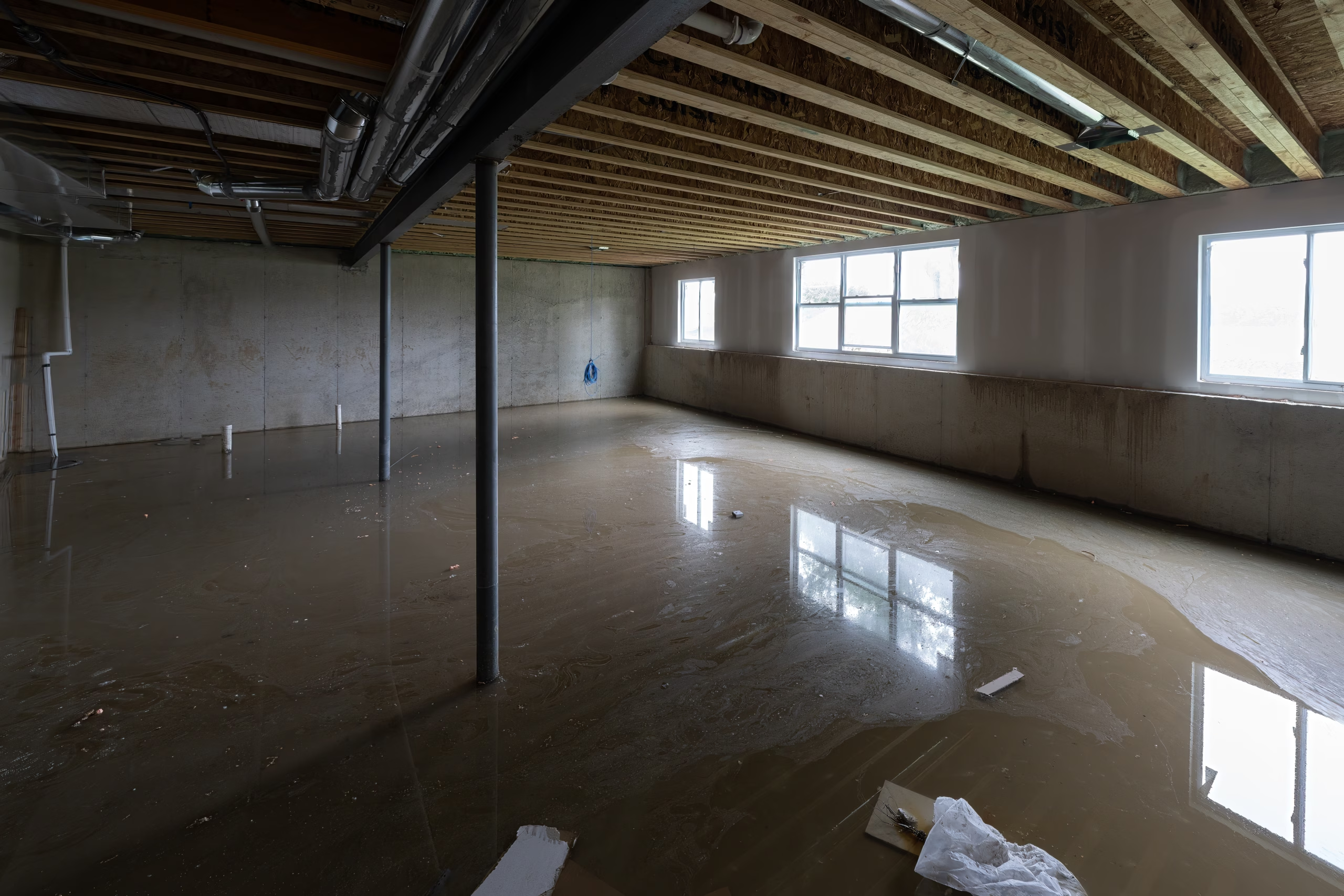
  • Basements & Crawlspaces - Moisture from snowmelt or plumbing leaks creates an ideal environment for mold growth.
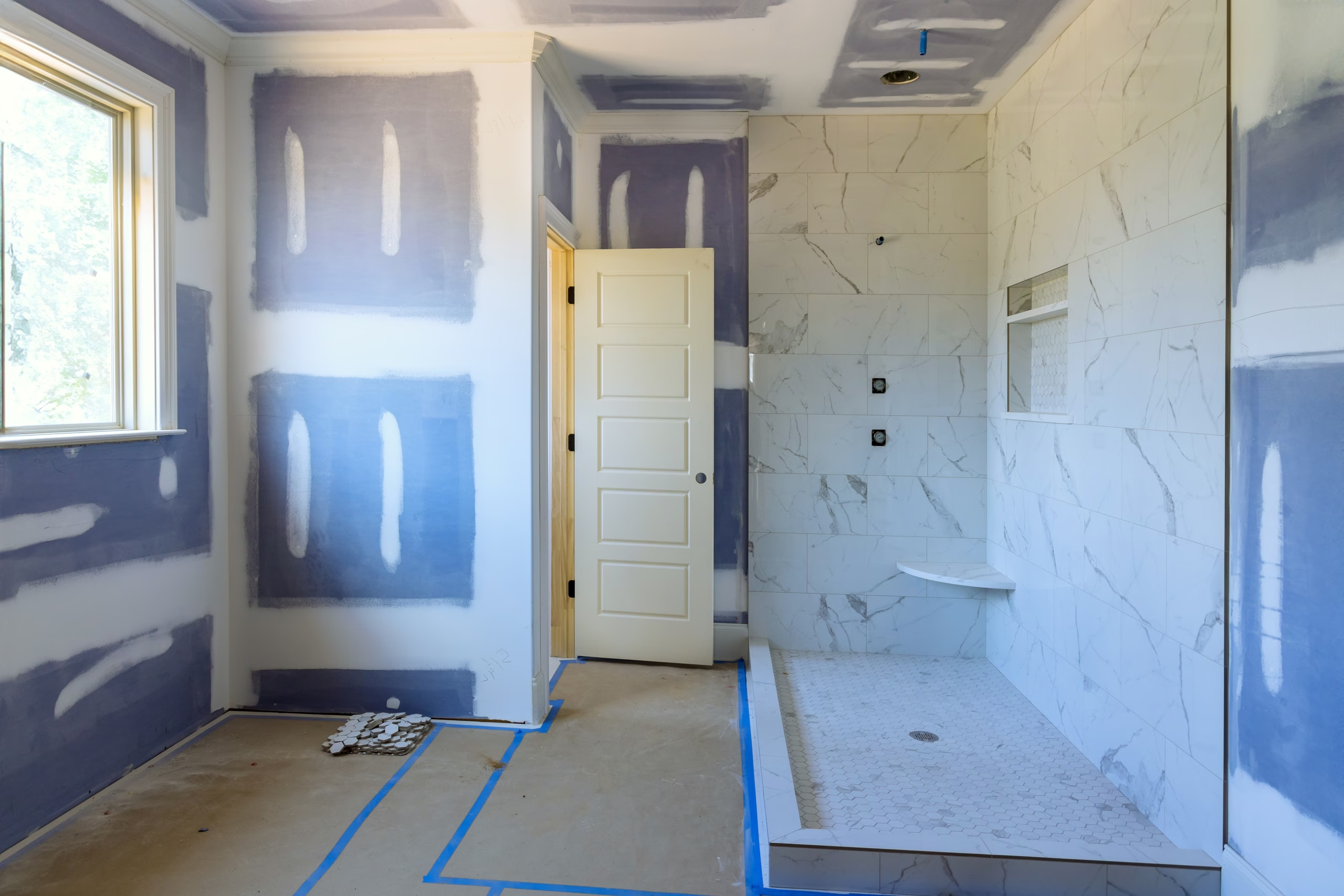
  • Bathrooms - Showers, tubs, sinks, and tile grout are frequent targets due to high humidity.
  • Kitchens - Leaky faucets, sinks, and poorly ventilated areas can lead to mold behind cabinets or under sinks.
  • Attics - Roof leaks or poor ventilation can allow mold to grow on insulation or wooden beams.
  • Around Windows and Doors - Condensation buildup creates moisture that mold can feed on.
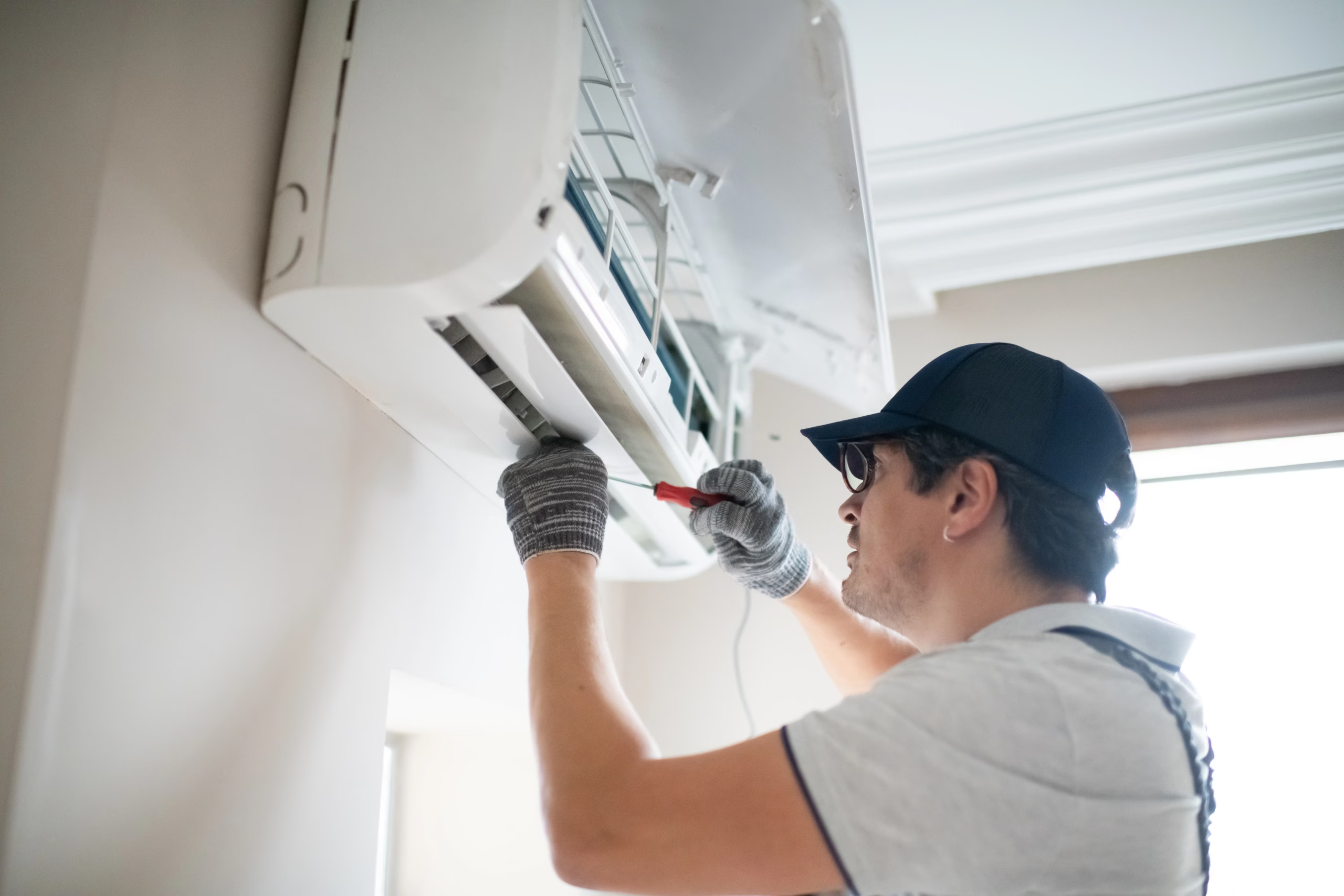
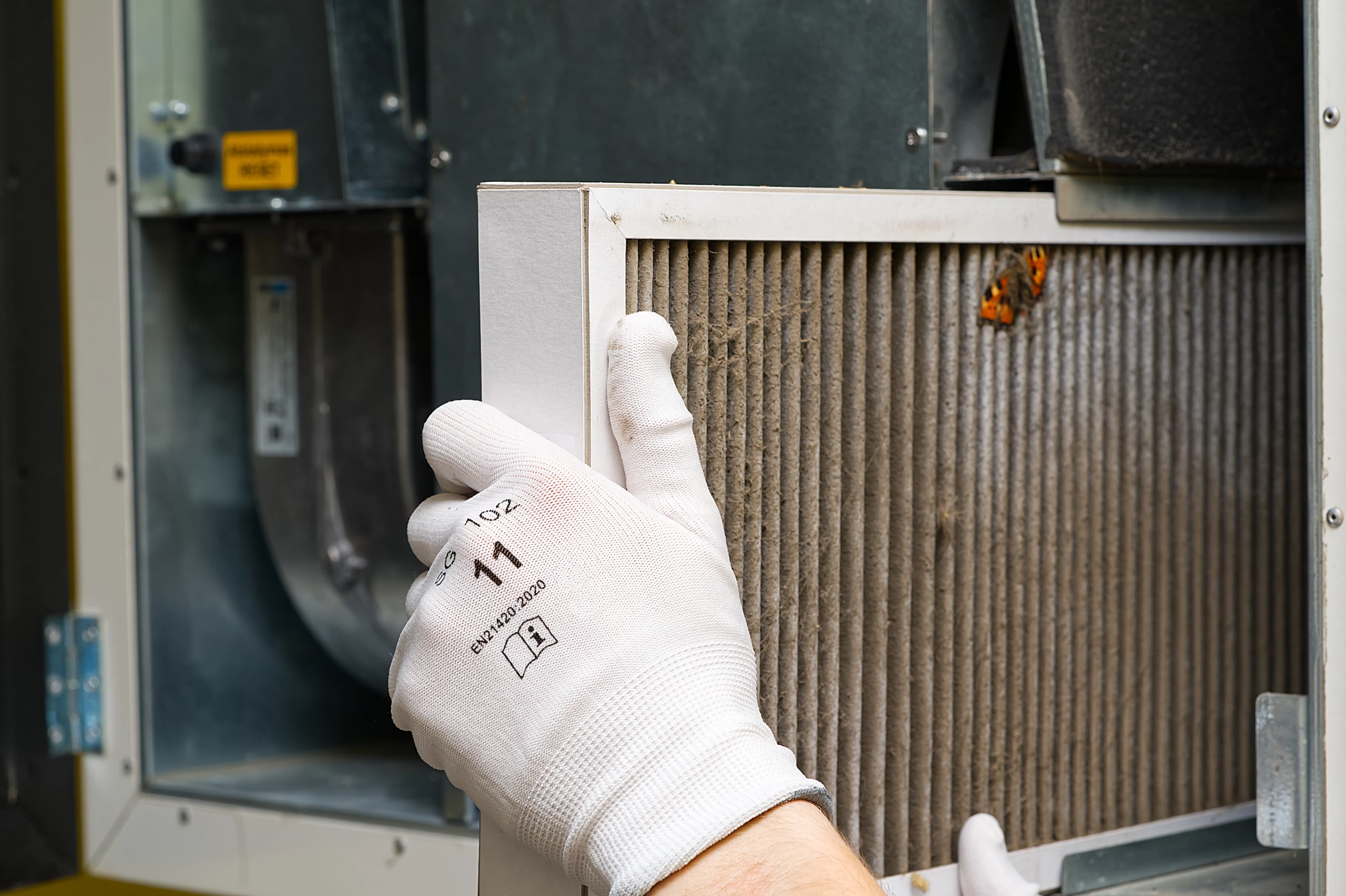
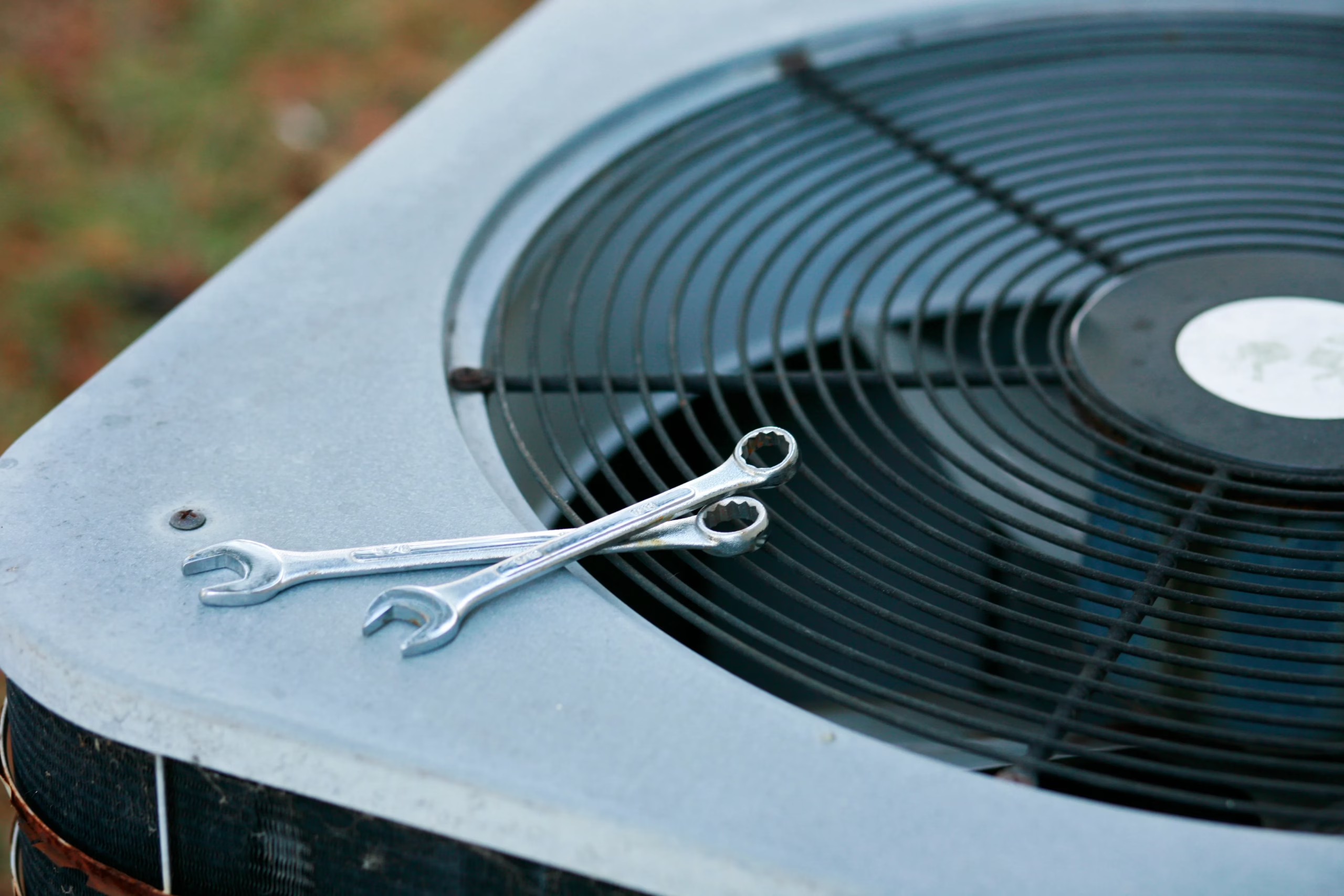
  • HVAC Systems - Ducts and vents can harbor mold spores, which then circulate throughout the home.

Knowing where mold commonly grows helps homeowners, landlords, and property managers detect issues early and prevent widespread contamination.

How Mold Testing Works & When You Need It

Mold testing is an important step if you suspect hidden mold but cannot see visible signs. Professional mold testing typically involves:

  1. Visual Inspection - Technicians look for signs of water damage, discoloration, and musty odors.
  2. Air Sampling - Devices capture airborne mold spores, which are later analyzed in a lab.
  3. Surface Testing - Swabs or tape lifts are taken from surfaces where mold growth is suspected.
  4. Moisture Assessment - Moisture meters and thermal imaging detect hidden water sources that could support mold growth.

You may need mold testing if you notice frequent allergy symptoms indoors, persistent musty odors, or after experiencing water damage from leaks, floods, or roof problems. Testing ensures the problem is accurately identified and the proper removal method is chosen.

Mold Mitigation vs. Remediation: What's the Difference?

It’s important to understand the distinction between mold mitigation and remediation:

  • Mold Mitigation - This involves reducing mold exposure and preventing its spread. Examples include controlling humidity, repairing leaks, and removing contaminated materials on a small scale.
  • Mold Remediation - Remediation is a more extensive process that involves removing significant mold infestations, cleaning affected areas, and restoring surfaces to a safe condition. It often requires professional intervention to ensure complete removal and prevent recurrence.

While small issues can sometimes be mitigated by homeowners, landlords, or property managers, widespread mold usually requires professional remediation for safety and effectiveness.

Signs You Need a Professional Mold Inspection

Certain signs indicate that it’s time to call a professional for a mold inspection:

  • Persistent musty odors that don’t go away with cleaning
  • Visible mold growth in hard-to-reach areas
  • Water damage, leaks, or flooding on the property
  • Increased allergy or respiratory symptoms among family members
  • Mold spores suspected in HVAC systems or ducts

A professional inspection ensures that hidden mold is identified, and an appropriate plan is developed to address it safely.

How to Schedule a Mold Inspection in Colorado Springs

Scheduling a mold inspection in Colorado Springs is straightforward:

  1. Research Local Professionals - Look for certified mold inspection and remediation companies with positive reviews.
  2. Request an Assessment - Provide details about the property, any water damage, and areas of concern.
  3. Schedule a Visit - Professionals will visit the property, perform tests, and provide a detailed report.
  4. Review Results - The inspection report will outline the extent of the problem, recommended remediation steps, and an estimate for repairs.
  5. Plan Remediation or Mitigation - Follow the recommended course of action to safely remove mold and prevent future growth.

Working with a trusted local company ensures the inspection and remediation are performed according to industry standards and Colorado regulations.

Trust FYXON to Keep Your Home Safe from Mold

Mold can spread quickly if left untreated, causing health risks and damaging your property. Early detection, regular inspections, and professional remediation when necessary are key to maintaining a safe and healthy property.

That’s why FYXON is a trusted company for mold removal services in Colorado Springs. With experienced technicians, advanced testing equipment, and a commitment to thorough remediation, FYXON helps homeowners, landlords, or property managers eliminate mold safely and protect their property from future growth. Whether you suspect a hidden problem or want a routine inspection, FYXON provides reliable, professional mold removal services for Colorado Springs residents.

We’re there faster than the disaster...
24/7 Restoration Services
At FYXON, we blend modern methods with traditional restoration techniques, ensuring top-notch results with unwavering accountability. Whether you’re managing a home, a business, a commercial property, or a construction site, we cater to spaces of all sizes. From efficient water extraction to comprehensive construction services, we’re committed to your satisfaction, no matter the scale of your needs.
24/7 Emergency Services
Copyright © 2026 Fyxon LLC. All Rights Reserved.
24/7 Emergency Service
magnifiercrosschevron-right