1. Assess the Extent of Damage
Before beginning cleanup, evaluate which areas are affected and the type of materials involved. Some items, like clothing or washable fabrics, can often be cleaned and salvaged, while others may require specialized treatment.
2. Remove Debris & Ventilate
Clear the area of charred items or debris and open windows and doors to allow airflow. Ventilation helps reduce lingering smoke odors and prevents the buildup of harmful particles indoors.
3. Clean Hard Surfaces
Walls, ceilings, and hard surfaces should be cleaned using appropriate methods:
- Dry cleaning sponges are effective for removing soot from painted walls.
- Mild detergents and warm water can help wash away residues on surfaces.
- Vacuuming with HEPA filters removes loose soot from floors and furniture without spreading particles.
4. Treat Odors
Smoke odor can linger even after visible residues are gone. Homeowners and property managers can try:
- Activated charcoal or baking soda can be used to absorb odors in rooms and carpets.
- Ozone or thermal fogging treatments are provided by professionals to neutralize odors in walls and HVAC systems.
5. Clean or Restore Soft Materials
Soft materials like carpets, upholstery, and curtains often trap smoke particles. Solutions include:
- Professional deep cleaning using specialized machines
- Steam cleaning or shampooing fabrics
- Replacing padding or linings if odors or residues cannot be fully removed
6. Seal & Repaint
In cases where walls have absorbed smoke:
- Wash and dry surfaces thoroughly
- Apply a stain-blocking primer to seal in odors and prevent discoloration from showing through
- Repaint using high-quality paint to restore the surface’s appearance
7. Prevent Future Issues
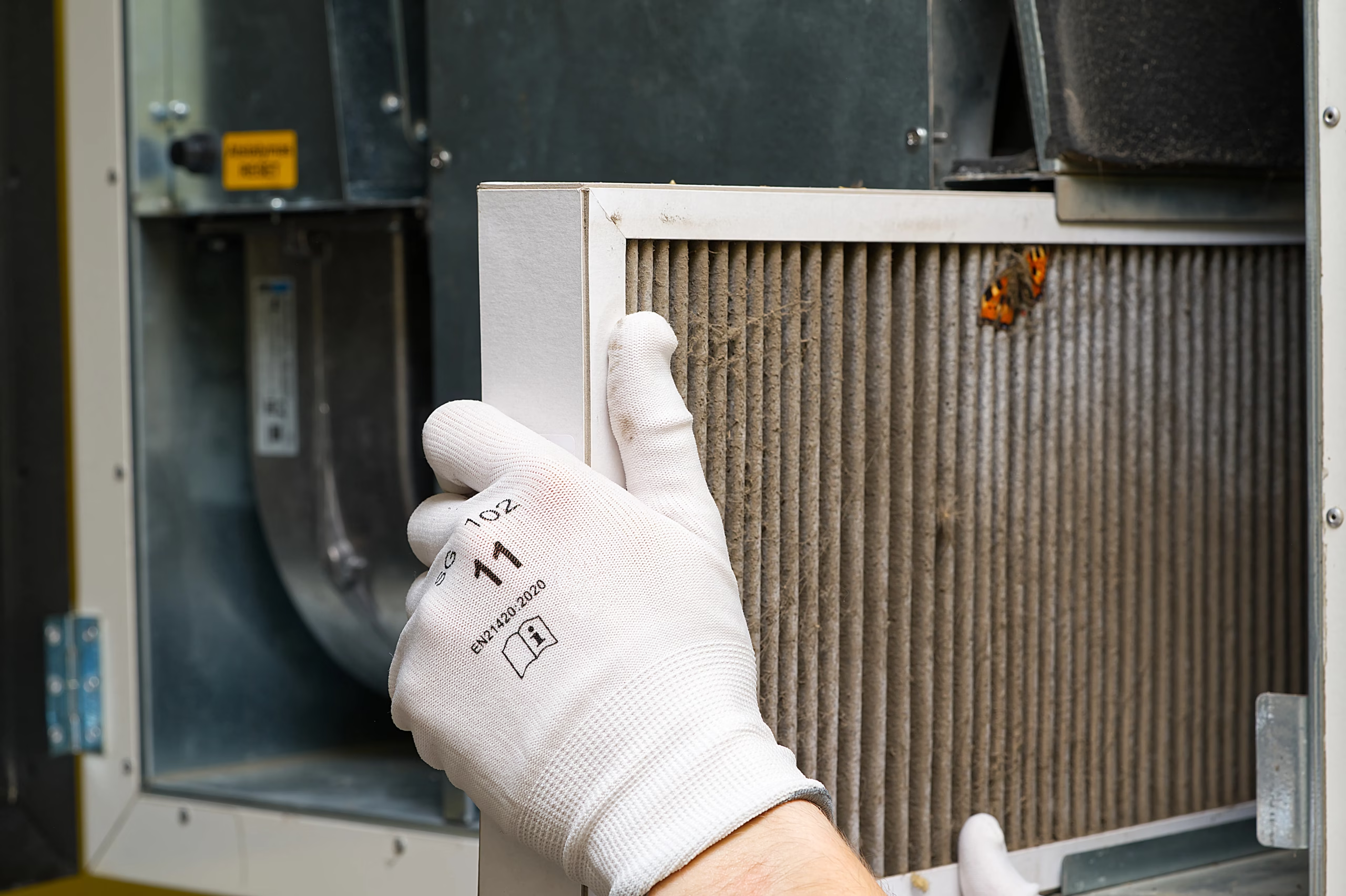
Regular inspections and maintenance of smoke detectors, HVAC filters, and fire safety measures can reduce the risk of future smoke damage and improve overall indoor air quality.