Step 1: Identify the Hazard
The first step is knowing what you’re dealing with. If you live in an older Colorado Springs home, materials like asbestos or lead paint could be present. In other cases, you may simply have a garage full of chemicals or old batteries. When in doubt, it’s best to seek professional testing to determine if hazardous substances are present.
Step 2: Limit Exposure
If you discover hazardous materials, avoid disturbing them until a professional can assess the situation. For example, asbestos-containing materials are generally safe if undisturbed, but cutting, drilling, or sanding them can release harmful fibers.
Step 3: Follow Safety Precautions
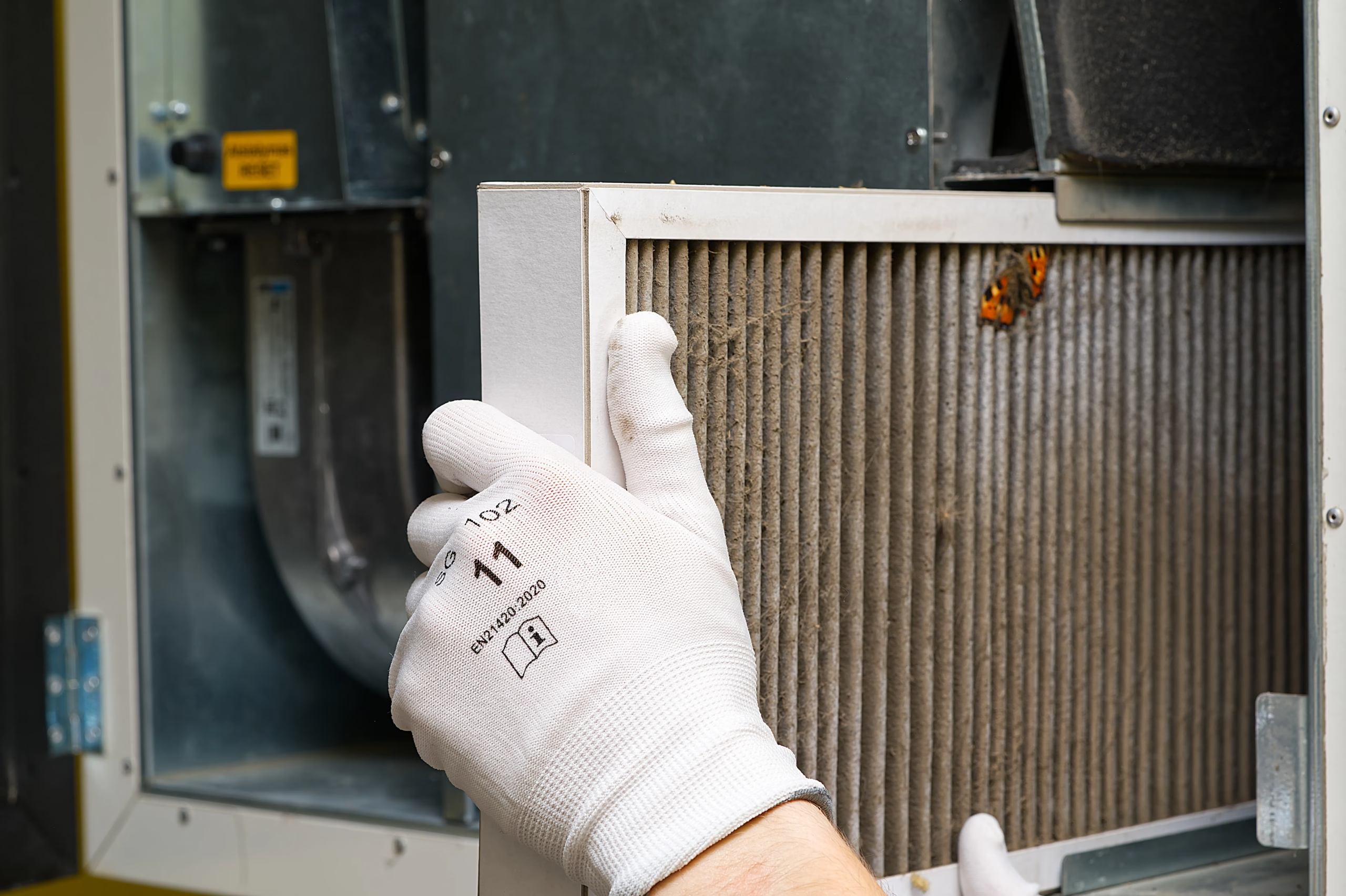
Always wear protective gear such as gloves, masks, and goggles when handling potentially hazardous substances. Ensure the area is well-ventilated, and keep children and pets away.
Step 4: Arrange for Proper Disposal
Improper disposal of hazardous materials is not only dangerous but also illegal. Pouring chemicals down the drain, throwing batteries in the trash, or burning waste can have serious consequences. Disposal should follow Colorado Springs regulations to ensure both safety and compliance.
Step 5: Call a Professional
Many hazardous materials require specialized handling. Professionals have the training, tools, and certifications to safely remove and dispose of these substances. Hiring a local hazardous material removal company ensures peace of mind and compliance with local laws.