Fires can create or release a range of contaminants, and testing is the only way to confirm their presence and levels.
1. Soot & Smoke Residue
Soot particles are microscopic and can remain suspended in the air for weeks. They often contain carcinogenic compounds and can cause respiratory irritation, headaches, and other health issues. Testing can determine how far soot has traveled in your home.
2. Asbestos
In homes built before the 1980s, asbestos may be present in insulation, flooring, siding, or ceiling materials. Fire damage can disturb asbestos fibers, releasing them into the air. Inhalation of these fibers is linked to serious lung diseases, making post-fire asbestos testing critical.
3. Lead
Lead-based paint, commonly used before 1978, can break down into fine dust during a fire. This dust is toxic if inhaled or ingested, especially for children. Environmental testing identifies lead dust so it can be safely removed.
4. Volatile Organic Compounds (VOCs)
When synthetic materials burn, they release VOCs into the air. Some VOCs can cause eye, nose, and throat irritation, while others have long-term health effects. Air testing measures VOC levels to ensure they return to safe limits.
5. Mold
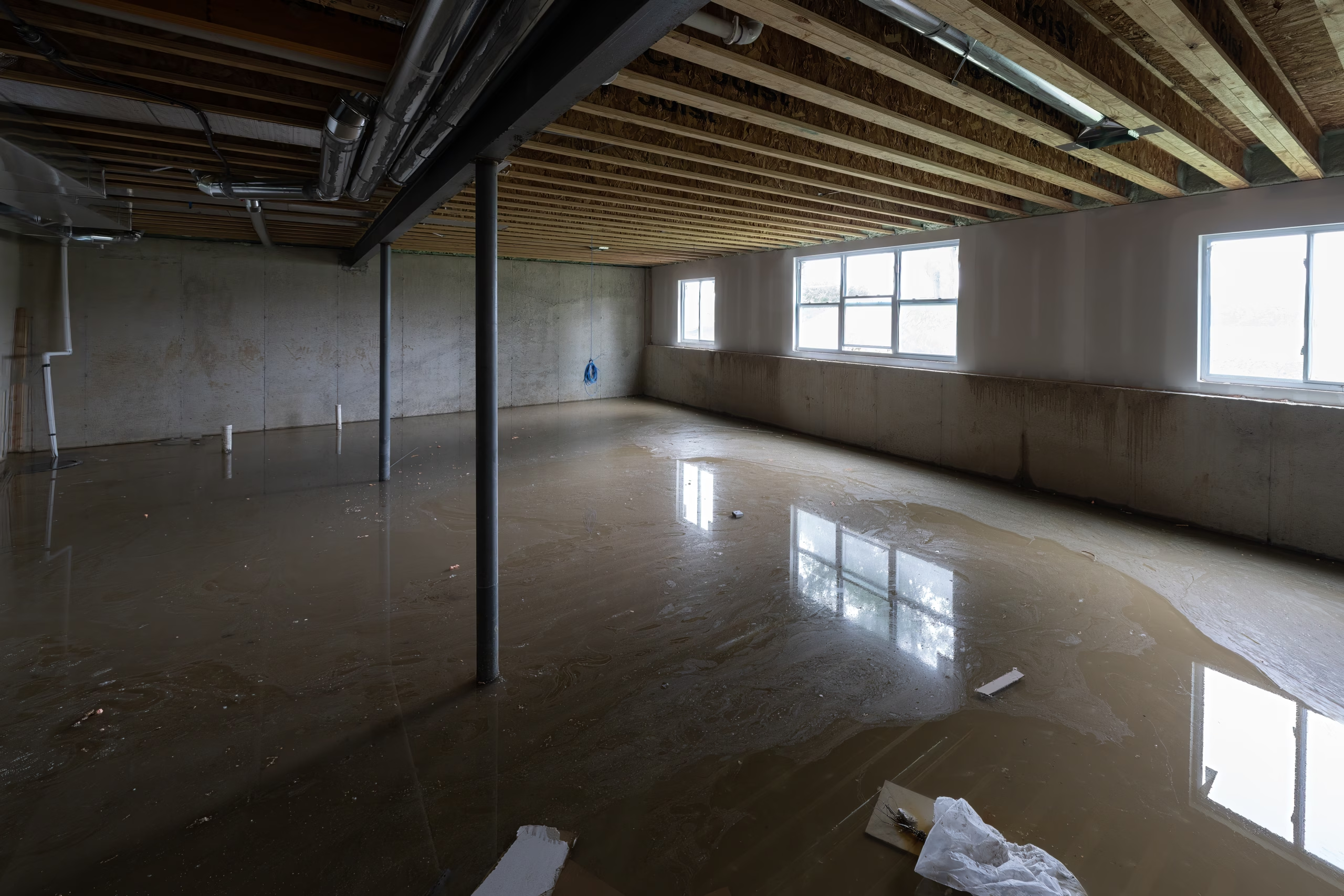
Although mold is not a direct byproduct of fire, water used in firefighting can create damp conditions that promote mold growth within days. Post-fire environmental testing often includes mold sampling, especially in areas affected by water damage.