For homeowners in Colorado Springs, where temperatures fluctuate dramatically between seasons, following a consistent maintenance routine is key. Here are practical tips to keep your furnace and AC in top condition:
1. Schedule Annual Professional Inspections
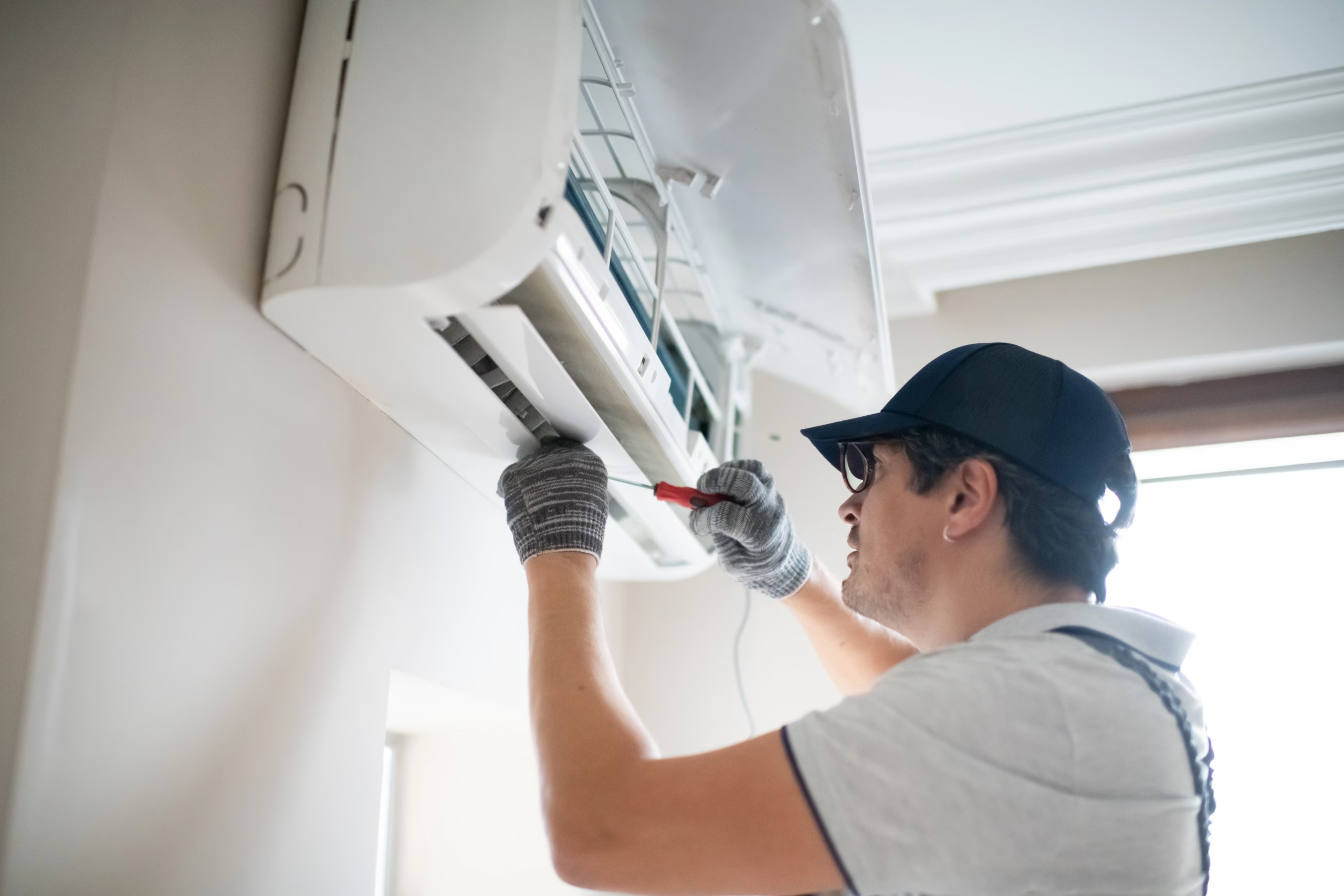
Even if your system seems to be working fine, annual inspections are crucial. A licensed HVAC technician can detect small issues before they become major problems, check for worn-out components, and ensure your system complies with safety standards. In Colorado, where harsh winters and hot summers can put extra strain on HVAC systems, these inspections are especially important.
2. Replace Air Filters Regularly
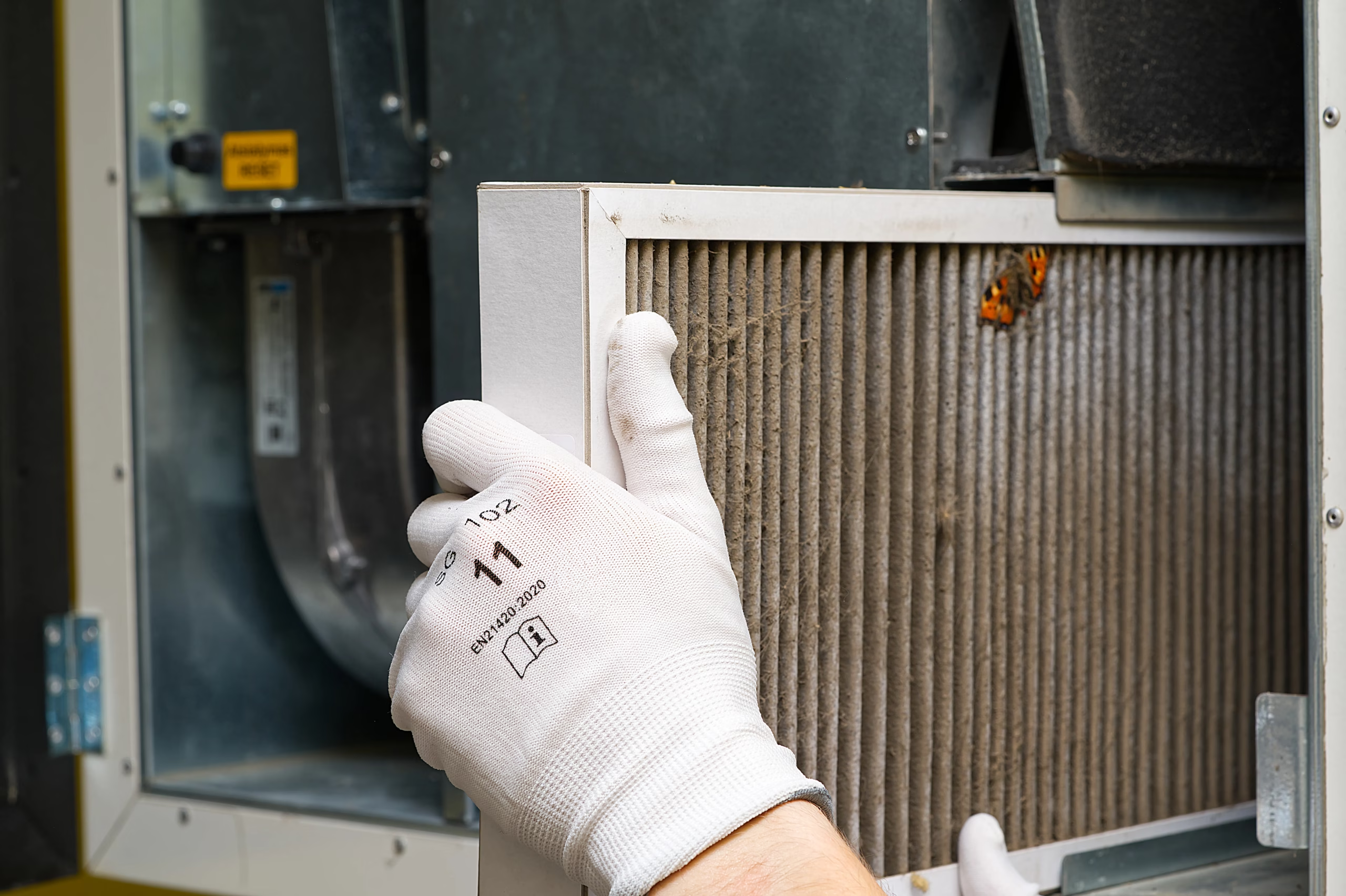
Dirty filters restrict airflow, forcing your furnace or AC to work harder. This not only increases energy bills but also reduces the system’s lifespan. Depending on usage and filter type, homeowners should replace filters every one to three months. High-quality filters can also help capture dust, pollen, and other allergens common in Colorado Springs homes.
3. Clean Vents & Ducts
Air vents can accumulate dust and debris over time, which affects airflow and indoor air quality. Regularly vacuuming vents and scheduling professional duct cleaning when necessary helps maintain efficient heating and cooling while reducing allergens in your home.
4. Check Thermostat Settings
Your thermostat controls your system’s efficiency. Ensure it’s set correctly for each season, and consider upgrading to a programmable or smart thermostat. These devices can automatically adjust temperatures when you’re away or asleep, saving energy and preventing unnecessary wear on your furnace or AC.
5. Inspect Outdoor Units
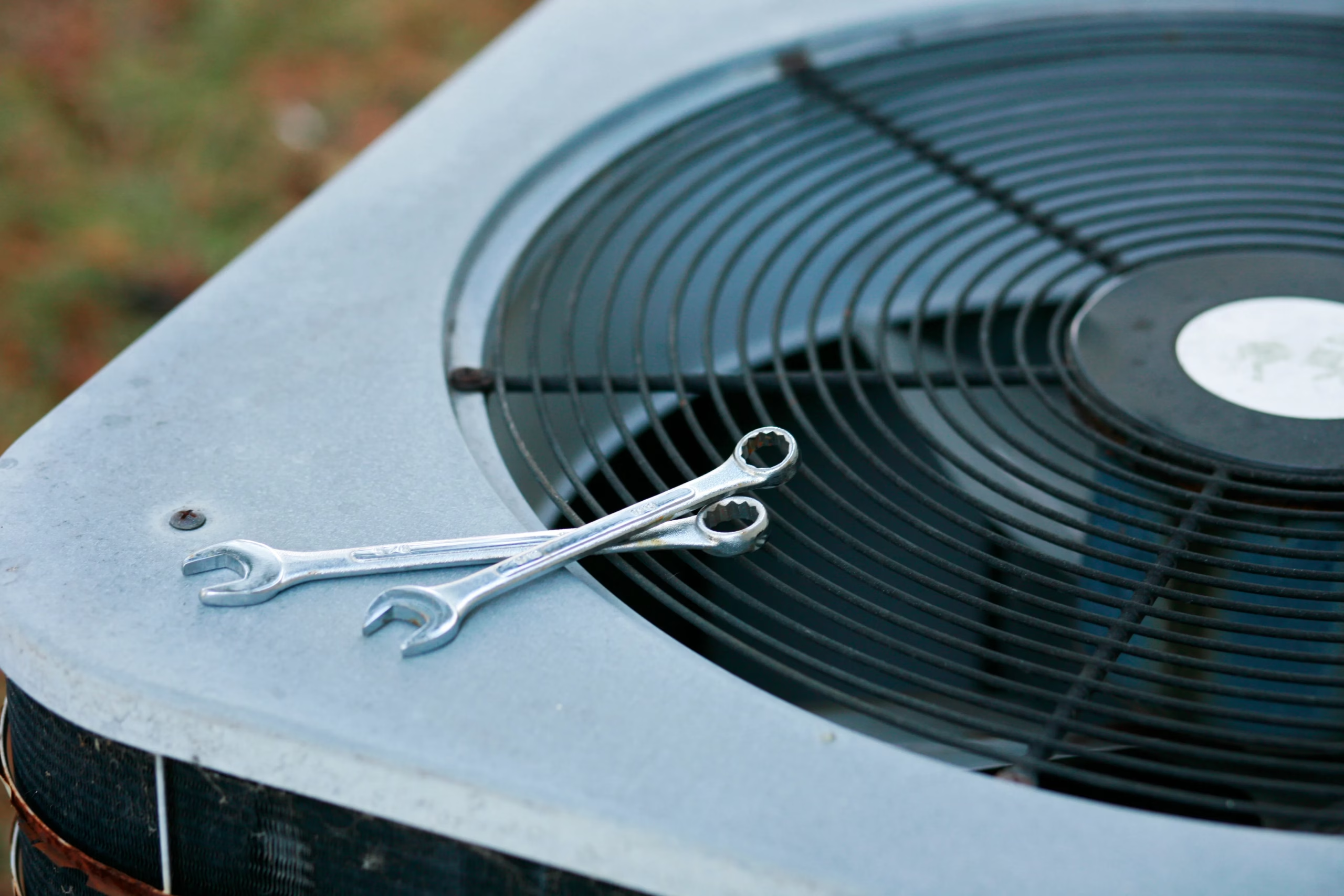
For air conditioning systems, outdoor units can be impacted by dirt, leaves, and snow in Colorado’s diverse climate. Keeping the area around your condenser unit clear and gently cleaning the fins can improve airflow and efficiency. Similarly, ensure that vents and exhaust outlets for your furnace are free from blockages to avoid safety hazards.
6. Monitor for Unusual Noises or Smells
Strange sounds, odors, or frequent cycling are signs that your HVAC system may need attention. Addressing these issues early can prevent more serious damage. Pay attention to rattling, buzzing, or burning smells, and contact a professional immediately if you notice anything unusual.
7. Lubricate Moving Parts
Some HVAC components have moving parts that require periodic lubrication to reduce friction and prevent premature wear. This is particularly important for older systems and helps keep fans and motors running efficiently.
8. Keep an Eye on Energy Bills
A sudden increase in energy bills may indicate your HVAC system is struggling to maintain proper temperature due to inefficiency. Regular maintenance ensures your system operates efficiently, keeping energy costs under control while extending the life of your equipment.