How to Improve Indoor Air Quality After a Disaster

When disaster strikes, whether it’s a wildfire, flood, or heavy storm, the aftermath isn’t just visible damage. For homeowners or property managers in Colorado Springs, the hidden threat often lingers in the air you breathe. Smoke, soot, mold spores, and fine debris can seep into your home’s HVAC system and ductwork, reducing indoor air quality and putting your family’s health at risk.

Restoring your home’s air after a disaster isn’t as simple as opening a window. It takes a deliberate process, the right equipment, and in many cases, professional expertise to ensure your air is safe and clean again.

Understanding Post-Disaster Indoor Air Pollution in Colorado Springs

Colorado Springs’ location at the foot of the Rocky Mountains makes it especially vulnerable to certain disasters. Disasters like wildfires in summer, wind-driven dust storms, and flooding from intense storms. These events can fill the air with contaminants that enter a home and settle in hidden places.

Common indoor air pollutants after a disaster include:

  • Wildfire smoke & soot - Tiny particles that irritate the lungs and worsen allergies or asthma.
  • Mold spores - Often triggered by flooding or water damage, mold can spread quickly through HVAC systems.
  • Dust and debris - High winds can carry fine particles inside, where they accumulate in carpets and ductwork.
  • Volatile organic compounds (VOCs) - Released from damaged building materials, furniture, and cleaning products used during cleanup.
Steps to Improve Indoor Air Quality After a Disaster

Restoring indoor air quality after a disaster is a multi-step process. For Colorado Springs homeowners and property managers, addressing both the source of contamination and the HVAC system is key.

Step 1: Remove the Source of Contamination

Before you can improve your air quality, you need to stop the source of pollutants. This may involve:

  • Cleaning or replacing damaged materials like carpets, drywall, or insulation.
  • Repairing water leaks to prevent mold growth.
  • Thoroughly vacuuming with HEPA-filter vacuums to capture fine particles.

Step 2: Replace or Upgrade Air Filters

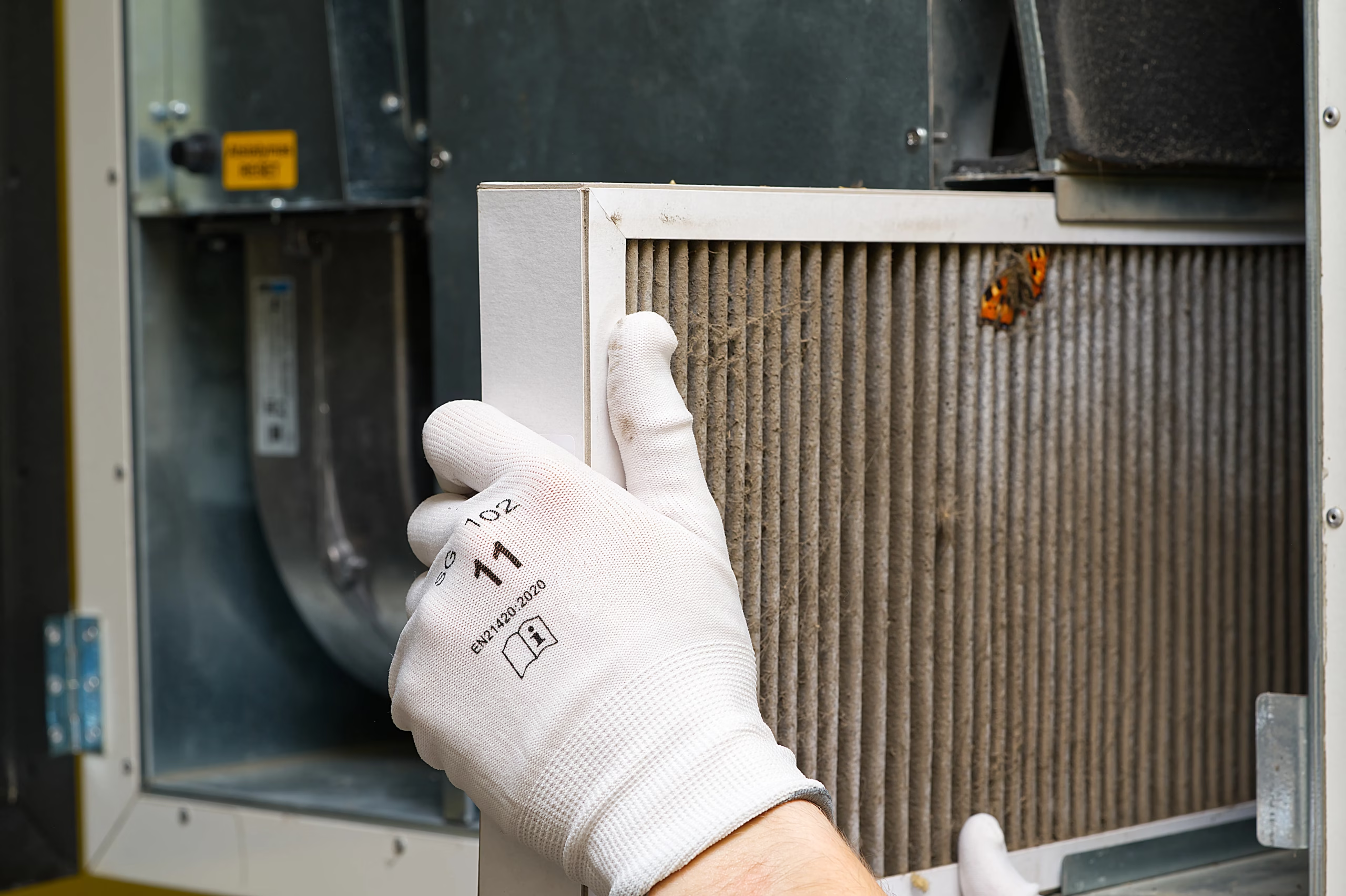
After a disaster, your HVAC filters may be clogged with debris. Replacing them with high-efficiency HEPA filters helps trap smoke, dust, and allergens more effectively. In some cases, upgrading to a MERV 13 filter or higher can improve particle capture.

Step 3: Schedule Professional Air Duct Cleaning

A home’s ductwork acts like a highway for airborne contaminants. Professional air duct cleaning in Colorado Springs is essential after disasters, especially wildfires or floods, to remove soot, mold spores, and fine dust trapped inside. A thorough cleaning prevents these particles from being recirculated every time your system runs.

Step 4: Use Air Purification Technology

Beyond filtration, whole-home air purifiers can help remove smaller contaminants that standard filters miss. Popular options include:

  • UV-C light systems - Neutralize bacteria, viruses, and mold spores.
  • Activated carbon filters - Absorb smoke odors and chemical vapors.
  • Ionization systems - Cause particles to clump together for easier filtration.

Step 5: Control Humidity Levels

Post-disaster conditions can leave a home overly damp or dry. Using a whole-home dehumidifier after flooding helps prevent mold growth, while adding humidity during dry seasons reduces dust circulation and improves respiratory comfort.

Step 6: Maintain Ongoing Air Quality Monitoring

Investing in an indoor air quality monitor can help track changes in particulate levels, humidity, and VOCs. This allows you to catch problems early and maintain a healthy environment year-round.

The Importance of Acting Quickly

The longer contaminants linger in indoor air, the greater the risk to your health and property. Fine particles from smoke or mold can cause respiratory irritation, aggravate allergies, and even damage your HVAC system over time. Acting within days of a disaster can make the cleanup process faster, safer, and more effective.

Choosing the Right Post-Disaster Air Quality Experts in Colorado Springs

Restoring clean air after a disaster isn’t a DIY job; it requires specialized tools, filtration systems, and experience dealing with environmental contaminants.

That’s where FYXON comes in. As the leading provider of indoor air quality improvement services in Colorado Springs, CO, FYXON has the equipment, training, and expertise to remove smoke, mold, dust, and other contaminants from a property’s air. From professional air duct cleaning to advanced purification systems, FYXON delivers customized solutions to ensure your family breathes clean, safe air again. When disaster strikes, trust FYXON to restore your indoor air quality quickly and thoroughly.

We’re there faster than the disaster...
24/7 Restoration Services
At FYXON, we blend modern methods with traditional restoration techniques, ensuring top-notch results with unwavering accountability. Whether you’re managing a home, a business, a commercial property, or a construction site, we cater to spaces of all sizes. From efficient water extraction to comprehensive construction services, we’re committed to your satisfaction, no matter the scale of your needs.
24/7 Emergency Services
Copyright © 2026 Fyxon LLC. All Rights Reserved.
24/7 Emergency Service
magnifiercrosschevron-right